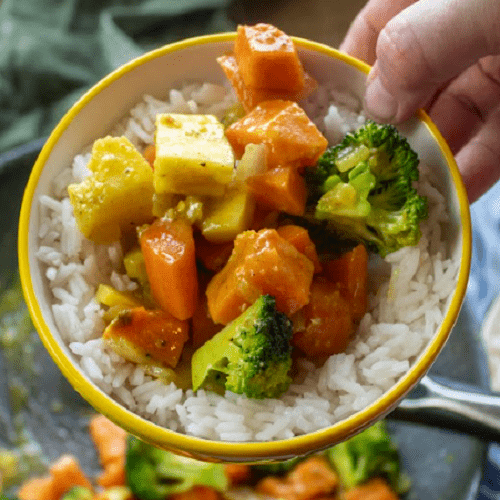
Vegetable Korma Recipe
When Bengalis say “polao korma,” we are talking about a classic combination that shows up at every wedding, every special gathering, every celebration. Polao, the fragrant rice cooked with whole spices. And korma, the rich, creamy chicken curry that pairs perfectly with it.
So when we say korma in that phrase, we always mean chicken korma. Always. I have never heard anyone at a Bengali wedding say “polao korma” and then serve vegetable korma. If they did, they would become social outcasts.
Chicken korma is the default. It is what we expect, what we crave, what makes that polao complete. The creamy, mildly spiced chicken curry with a hint of sweetness from the yogurt and nuts – that is what korma means to most Bengalis.
Now I will be honest with you. Even though we say “polao korma” all the time, chicken korma is actually less popular than chicken roast at most events. Chicken roast has this iconic status that korma just cannot match.
But that does not mean korma is not special. It absolutely is. The preparation is more delicate, the flavors are more subtle. Where chicken roast is bold and rich, korma is elegant and refined.
Now vegetable korma is a completely different story. It exists, but it is rare to see it at Bengali gatherings. Vegetable dishes are always sides, not the main event.
Korma itself has an interesting history. The word “korma” comes from “qorma” which means “to braise.” The dish originated in the Mughal courts, where royal chefs would braise meat in yogurt, cream, and ground nuts to create these incredibly rich curries. Over time, the recipe spread across India and took on different regional variations.
In North India, korma is made with yogurt and nuts, giving it that thick, creamy texture. In South India, they use fresh coconut instead, making it lighter but still aromatic.
The common thread is the fragrant whole spices like cardamom and cinnamon that make the curry smell absolutely divine.
Vegetable korma follows the same principle. You take seasonal vegetables, cook them in that same creamy, spiced base, and you get something comforting and delicious.
Now here is where today’s recipe is unique. Traditional korma is always a curry, thick, gravy-based, meant to be eaten with rice or bread. But this vegetable korma recipe takes a slightly different approach.
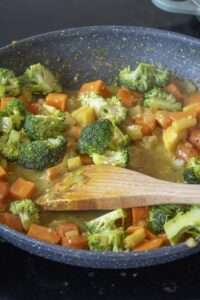
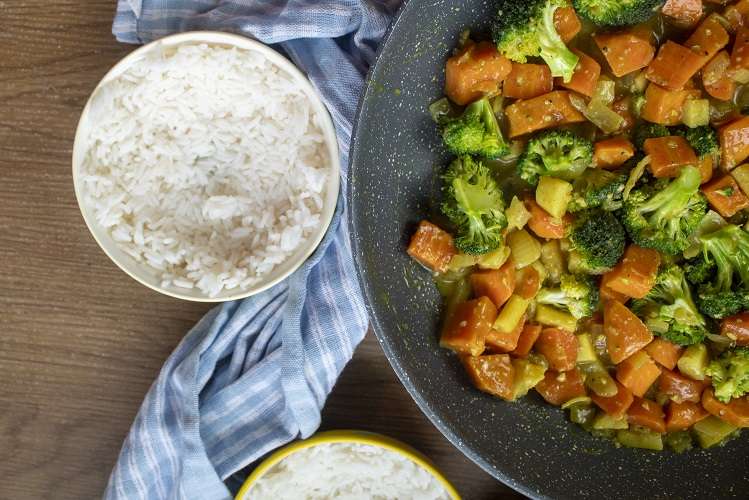
It is much less creamy, but still aromatic. The focus is more on the vegetables themselves rather than drowning them in gravy. You get chunks of sweet potato, carrots, parsnips, broccoli – everything cooked with warm spices.
Ingredients
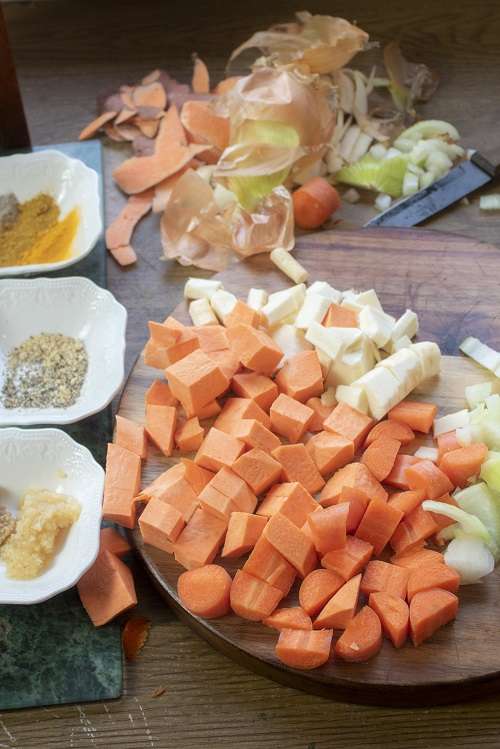
- 1 tbsp oil or ghee
- 1 onion finely chopped
- 3 cloves garlic minced
- 1 tbsp fresh ginger grated
- 1 teaspoon ground cinnamon
- 3 cardamom pods seeds removed and crushed into a fine powder
- 1 tsp ground coriander
- 1 medium sweet potato peeled and cubed
- 2 carrot peeled and chopped
- 2 parsnip peeled and chopped
- 1 head broccoli cut into small florets
- 1/2 cup water or vegetable broth
- 1 cup coconut cream
Instructions
- Chop vegetables into ½ inch pieces. Heat oil in a large frypan over a medium-high heat
- Fry the onion 2 minutes, then add garlic and ginger. Cook a further 30 seconds.
- Add the spices and salt and stir.
- Add vegetables, coconut cream, and stock and simmer 15-20 minutes or until vegetables are tender. Add broccoli or green beans 10 minutes before the end of cooking time.
- Serve over rice with a dollop of Greek yoghurt
Notes
Add some chilli flakes if you want to increase spice level