

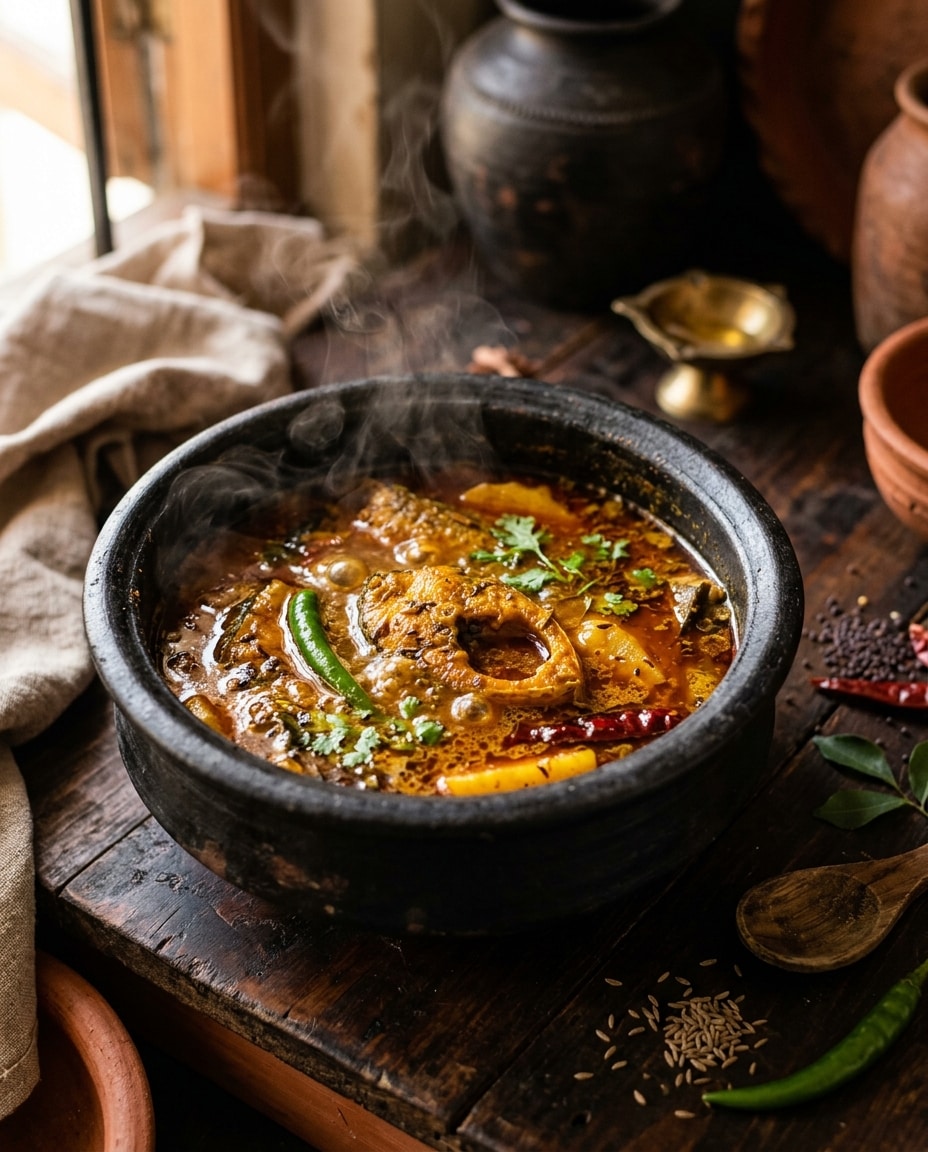
Bengali Cooking · Culinary Diversity
Why the same recipe tastes different in every home.
Bengali cooking is not monolithic — it bends to family, region, and season. Two families can cook the 'same' fish curry and produce two genuinely different dishes: different spice ratios, different fats, different finishes. That variation isn't error; it's the cuisine. Understanding it is what lets you cook from memory instead of from a page.
Where the variation comes from
Four forces behind the differences.
None of them are mistakes. Each one is a reason the dish in front of you is its own version.
East Bengal vs West Bengal
Bengal was split by Partition, and the cooking split with it. East Bengali (Bangal) cooking leans bolder — more chilli, sharper mustard, a love of strong fish like hilsa. West Bengali (Ghoti) cooking is gentler, sweeter, more subtly spiced. The same dish reads differently across that line.
Family hands
Every household keeps its own ratios. One family's macher jhol is thin and turmeric-gold; another's is thicker, deeper, tomato-tinged. Neither is wrong. The 'correct' version is the one you grew up eating — which is also why your mother's always tastes better than anyone else's.
The seasonal clock
Bengali cooking follows the six seasons (ritu) of the calendar. Hilsa is monsoon food; pithe and patishapta belong to winter; the first mangoes signal a shift in the whole kitchen. The market decides what's on the plate far more than any recipe does.
The six balances
A finished Bengali meal tunes six tastes — sweet, sour, salty, bitter, pungent, astringent. A bitter starter (shukto) clears the palate; a sweet finish (mishti) closes it. The cuisine treats balance as structure, not accident.
The dials you can turn
How one dish becomes many.
Once you see these axes, you can read any Bengali recipe as a starting point — and adjust it toward the version you remember.
- Lighter vs richer
- A daily jhol (light soup-curry) vs a kosha (slow-fried, intense, thick). Same ingredients, opposite gravies.
- Mustard-led vs cumin-led
- Shorshe (mustard paste) curries dominate the fish cookery; cumin-and-bay tempering carries the vegetarian and lentil dishes.
- Wet vs dry
- Jhol (plenty of broth), jhal (spicy, less gravy), and bharta (mashed, dry) — three textures for the same core flavour.
- Sweet vs sharp
- A pinch of sugar rounds West Bengali curries; lime and tamarind sharpen the East. The tug between them defines the cuisine.
The takeaway
There is no single correct version.
And that's the point — not a problem to solve.
If you've ever made a dish from home and felt it was 'almost but not quite right,' you weren't failing — you were discovering which axis you needed to turn. Was it the fat? The sweetness? The texture of the gravy? Naming the difference is most of the work of closing it.
So treat every recipe here, including ours, as one interpretation. Cook it once as written. Then adjust it toward the version that lives in your memory — because the authentic one is the one that tastes like where you come from.
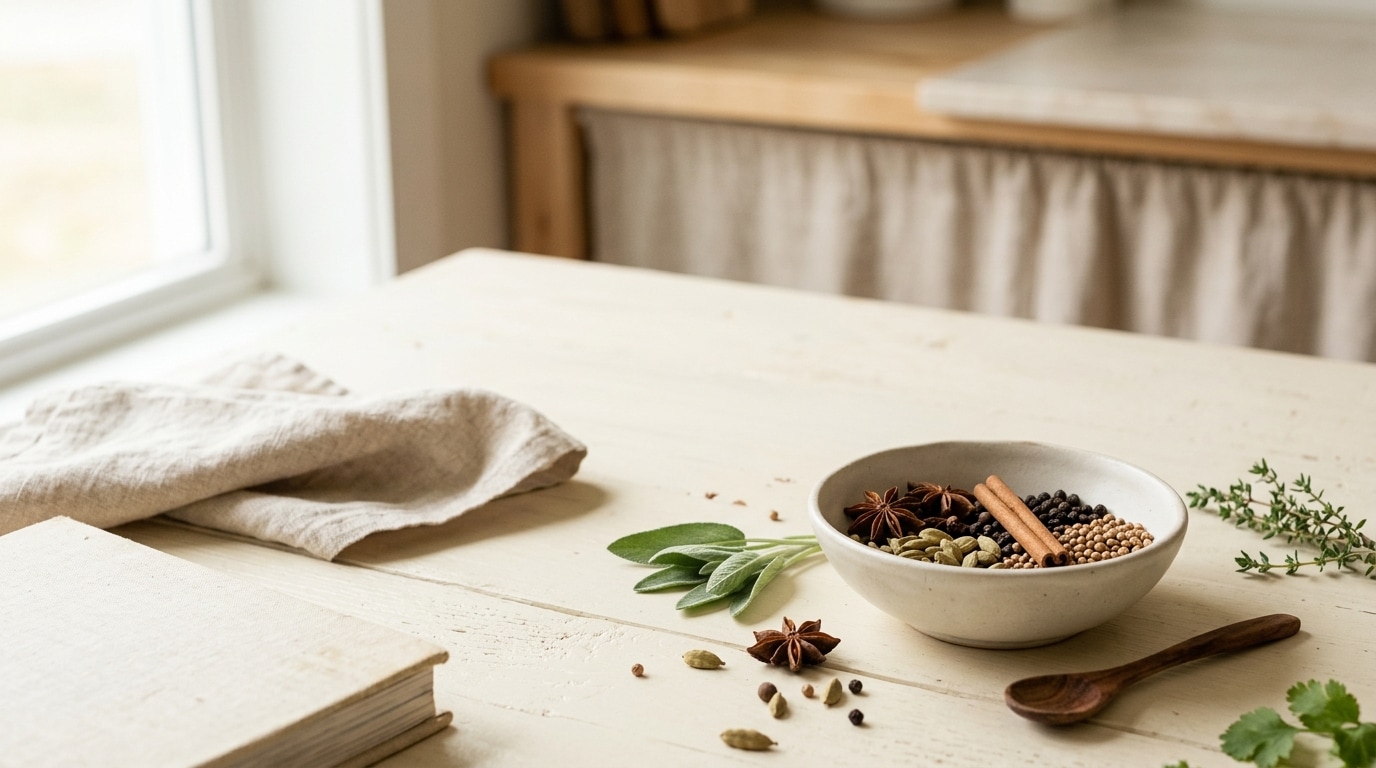
Find your version.
Browse the Bengali recipes, cook one, then bend it toward the kitchen you remember.