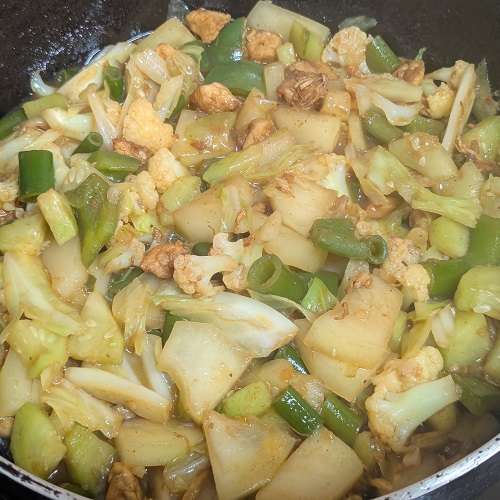
Thai Style Vegetable Recipe
In Bangladesh Thai and Chinese cuisine are seen in a similar vein. Chinese cuisine is the more popular option in the country, and almost all Thai cuisine falls under the umbrella of Chinese food. There are Thai restaurants in Dhaka that try to serve the authentic taste of Thai cuisine, but those are far in between, usually reserved for the upper class. The vast majority of the population enjoys dishes with the word “Thai” in the name from any of the numerous Chinese or Asian restaurants. Generally these are just Thai or Chinese recipes made in Bangladeshi fashion, not the real deal.
The Thai food served in Chinese or even Bangla restaurants have taken away the character of Thai food from the minds of Bangladeshi people. If you live in Bangladesh and are not a food aficionado, the chances are you do not know the difference between Thai and Chinese cuisine. Which is a huge L for us, because we are turning Thai cuisine into a kind of modern Bangladeshi cuisine, which lacks proper identity and the soul of the culture it originates from.
For anyone unaware, the difference between Thai and Chinese cuisine lies in the sauce and spices used. Soy sauce is more commonly used in Chinese cuisine, while Thai cuisine prefers the use of fish sauce or oyster sauce. Thai cuisine also uses more herbs and spices, making it more flavorful than Chinese food.
Now the recipe we have today, Thai Style Vegetable, is not authentic Thai food. It’s more Thai inspired. Because you can see from the ingredients list that oyster sauce is used and the spices are plentiful. So that itself makes it closer to Thai food than what most Bangladeshi restaurants will be serving you. But still the use of spices and cooking style of the dish is heavily influenced by Bangladeshi traditions. So calling it Thai “style” Vegetable is accurate.
On to the vegetables and my god did Moni Dadi bring the whole supershop for this recipe. And let me tell you this, Thai Style Vegetable is the dish with the most vegetables of any of Moni Dadi’s recipes. None of the other vegetable recipes, even none of the vegetable curries, have this many vegetables added. Of course, which vegetables you want in your dish comes down to your choice. So you can skip out on some of the listed vegetables if you want to.
Of all the vegetables, cauliflower is my favorite. And I bet many of you can relate to that. Apart from that, Cabbage (Badhakopi), Yard-long Bean (Borboti), and baby corn are all pretty common vegetables used in Thai or Chinese cuisine in Bangladesh. But cucumber, pointed gourd (potol), papaya (pepe) are ingredients that stand out to me. These are mainstays in Bengali curries, but not really common in Thai food that I have seen so far. Especially not all of them together.
Of all the vegetables, Chinese Cabbage was the only vegetable I did not recognize. So I googled it and saw that it’s just ordinary cabbage but barrel shaped. This variety of cabbage is not common in Bangladeshi markets. Shortcut Sokhina even struggled to procure it. The western, big and round cabbage is the one we are familiar with more.
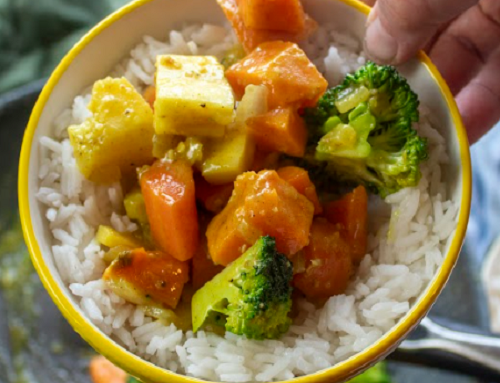
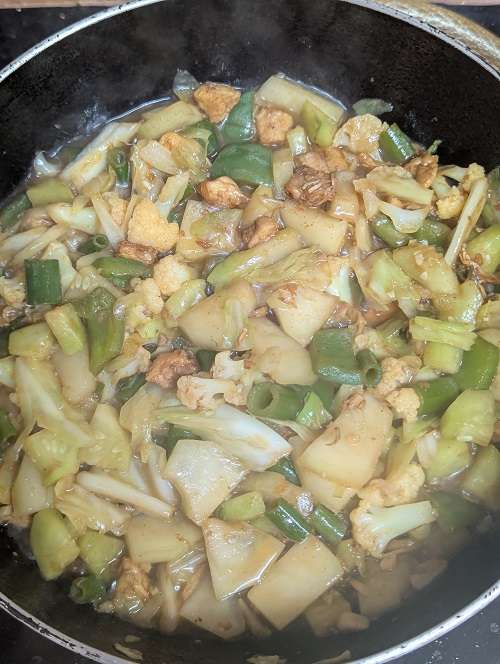
You might have questions regarding the taste seeing all these vegetables mixed together. To you I say, have faith. Or look at the pictures of the dish recreated by Ms Shortcut Sokhina to get an idea of what you can expect. But trust me, the pictures do not paint the full picture of the dish.
Ingredients
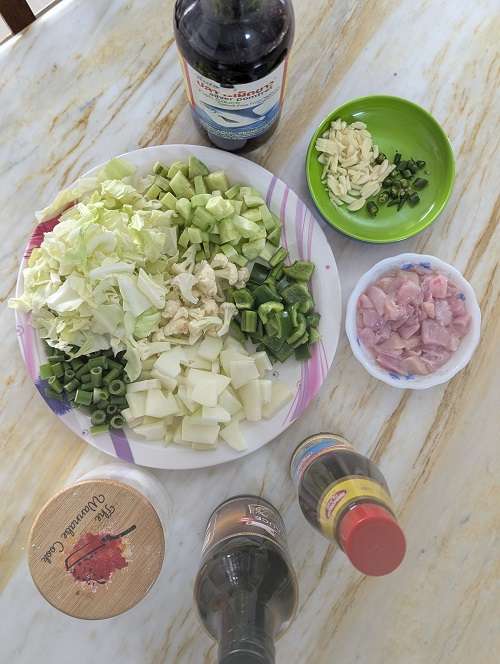
- Cabbage – 2 cups
- Raw papaya – ½ cup
- Cucumber – ¼ cup
- Ash gourd – ½ cup
- Pointed gourd – ½ cup
- Chinese cabbage – ½ cup
- Yardlong beans – ¼ cup
- Cauliflower – ½ cup
- Baby corn – ¼ cup
- Oil – 4 tablespoons
- Chopped garlic – 1 teaspoon
- Finely chopped chicken – ¼ cup
- Green chilies – 5 to 6
- Sugar – 1 teaspoon
- Tasting salt MSG – 1 teaspoon
- Raisins – ½ tablespoon
- Soy sauce – ½ tablespoon
- Oyster sauce – 1 tablespoon
Instructions
- Heat oil and lightly fry the chopped garlic, then add the chicken.
- After 2 to 3 minutes, add all the vegetables.
- A little later, add ½ cup of water and one by one, mix in all the spices and sauces.
- Take it off the heat while the vegetables are still slightly crunchy.