
Thai Pangas and Majhari Thai Pangas
 To us Bengalis, large fishes like Pangas are not just something to eat—they are a symbol of hospitality and respect. That is why we reserve the best Pangas fish fillets for the esteemed guests that arrive at our homes. There was a time when serving guests, especially the notun jamai (the new son-in-law, the daughter’s newly married husband), with pangash macher peti or Pangas fish fillet was a cherished custom in Bengali families. The tradition reflected the importance of making guests feel welcome and honored. Offering a large, well-prepared fish showed that the family valued their presence and wanted to provide the very best. Even today, many Bengali households continue this practice, preparing special fish dishes when important guests visit. It’s more than just a meal—it’s a gesture of love, warmth, and often cultural pride. In today’s blog, we will be talking about Thai Pangas – what they are, where they come from, and how they have become such an important part of our daily lives and food culture.
About Thai Pangas and Majhari Thai Pangas
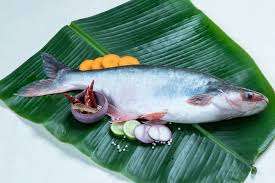 Thai Pangas is a popular freshwater fish in Bangladesh and across Asia. You may have heard the alternative term “Majhari Thai Pangas”. Don’t be confused—both names refer to the same fish species, Pangasianodon hypophthalmus. The word “Majhari” simply indicates the size of the fish. It means the fish is smaller in size, hence younger. Pangas can grow quite large, reaching 150–300 cm in length. It has two spines and seven soft rays on its dorsal fin, and 29–32 soft rays on the anal fin. The fish can be easily identified by its small eyes and yellow tail fins.
Farming of Panfgas became popular in Bangladesh in the late 1980s. Thai Pangas became a huge success in Bangladesh’s fish farming industry for three simple reasons. It grows quickly, it doesn’t cost much to raise, and it reproduces very fast and in huge quantities. Now, it’s one of the most important fish in Bangladesh’s freshwater farming. It is being widely cultivated in places like Sylhet and Mymensingh.
Nutritional Composition (per 100g edible portion)
|
Component |
Thai Pangas |
Majhari Thai Pangas |
|
Energy (kJ) |
925 |
360 |
|
Protein (g) |
16.0 |
18.6 |
|
Fat (g) |
17.7 |
1.4 |
|
Moisture (g) |
65.5 |
79.2 |
|
Ash (g) |
0.9 |
1.4 |
Nutritional and Health Value
Thai Pangas fish is a healthy and economical source of nutrients. The adult Thai Pangas includes more fat and energy, providing you with long-lasting nourishment throughout the day. Majhari Thai Pangas (the younger fish) contains more protein and less fat. This makes it a lighter and healthier option if you eat fish frequently.
Heart Health: The fish helps reduce cholesterol levels and improve blood circulation. This can lower your risk of heart disease over time.
Bone and Teeth Strength: The calcium and phosphorus in the fish is really good for bone and teeth. This is especially important for growing children and older adults who need to maintain bone density.
Thyroid Function and Immunity: The selenium content in this fish helps thyroid function and the immune system. This mineral helps your body fight off infections and keeps your metabolism balanced.
Muscle Growth and Repair: The high-quality lean protein in this fish helps muscles to grow and repair faster. This makes Thai Pangas great for active people, athletes, and anyone recovering from illness or injury.
Health and Environmental Insights
Thai Pangas has many health benefits, but it is also vital to be aware of some risks. There has been some reports that have raised concerns with industrial fish farming, particularly in Vietnam. These challenges include antibiotic misuse and water contamination caused by overcrowded fish farms. Both these behaviors can harm both the environment and the quality of fish. However, not all farms are the same. Farms that have received certification from the Aquaculture Stewardship Council (ASC) or Best Aquaculture Practices (BAP) follow tight guidelines. These accredited farms adhere to sustainable and safe production standards, resulting in healthier, more environmentally friendly fish.
Role in Bangladeshi Diet
Fish such as Thai Pangas are critical to Bangladesh’s people. These type of fish account for more than 60% of the country’s animal protein intake. In Bangladesh, the average person consumes approximately 18.1 kilograms of fish each year. Thai Pangas is one of the most cost-effective and readily available protein sources. In low- and middle-income families who require nutritious meals at affordable prices, this fish is a lifesaver. Without fish like Thai Pangas, many families would struggle to receive enough protein in their regular meals.
Recipes You Can Try with Pagash Fish
Pagash Fish Thai Style Fish Fillet
 The Thai Style Fish Fillet is a modern twist on traditional Bengali fish dishes. It blends Thai flavors with local cooking sensibilities, a perfect fusion of Bangladeshi heart and Thai heat, a typical Moni Dadi recipe, right?
- To make this dish, take 500 g of Thai Pangas fish fillet and marinate it with 3 tbsp red curry paste, ¼ tsp salt, and ¼ tsp black pepper for about 10 minutes.
Then, fry the fish in 2 tbsp oil for 2–3 minutes until cooked through and set aside. - In another pan, sauté 1 quartered red onion, 1 red bell pepper (cubed), 1 green bell pepper (cubed), and 250 g halved cherry tomatoes on high heat for 2 minutes, then remove.
- For the red curry sauce, mix 2 tbsp red curry paste, 1 tbsp fish sauce, ¼ cup sweet chili sauce, and ½ tbsp soy sauce in a bowl.
- Arrange the fried fish and sautéed vegetables in a baking dish, pour the curry sauce over them, and bake at 200°C for 10 minutes. Your Pangas fish fillet is ready to enjoy.
Learn More About The Recipe Here
Chinese Style Steamed Thai Pangas Fish:
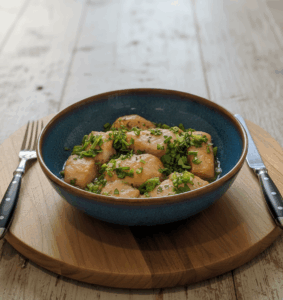 The Chinese Style Steamed Thai Pangas Fish is a quick, easy, and budget-friendly dish perfect for a simple Asian-inspired meal.
- To make it, use 200 g of white fish fillet (pangasius works great for its soft texture and low cost).
- Place the fish on a large piece of foil and top it with 2 tbsp chopped fresh ginger, 1 tsp mirin, 1 tbsp light soy sauce, and 4 crushed garlic cloves.
- Fold the foil into a sealed packet, making sure it’s tightly wrapped like an envelope. Bake at 180°C for 25 minutes on a tray.
- When ready, open the packet at the table to release the aromatic steam and garnish with finely chopped spring onions and ¼ cup fresh coriander.
- Serve immediately with steamed white rice and a squeeze of fresh lemon or lime.
- Light, flavorful, and done in under 30 minutes. It’s an easy crowd-pleaser that proves delicious food doesn’t have to be complicated or expensive.
Rice Cooker Pangasius Fish with Capsicums:
 Another quick and easy recipe to try with pangas fish.
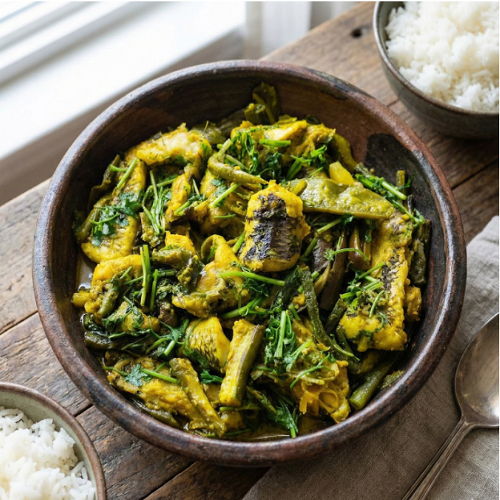
- This is a simple yet flavorful Bengali-style curry that combines soft pangasius fish with the sweet crunch of bell peppers.
- To prepare it, mix 5–7 chopped onions, chili powder (to taste), 1–1.5 tsp turmeric, 2 tsp coriander powder, 4–5 tbsp oil, 1.5–2 tbsp salt, and 1½ cups water directly in the rice cooker.
- Set it to “Cook” mode, stir occasionally to prevent sticking, and let the ingredients soften for about 20 minutes.
- Then add 2–3 cups chopped capsicums, a bit more water, and bring to a boil.
- Stir well before adding 8–10 pieces of pangasius fish, 1–2 tsp cumin seed powder, and 1 cup fresh coriander leaves.
- Cook for about 10 more minutes, gently stirring so the fish doesn’t break.
- Once the curry thickens and oil starts to separate, switch the cooker to “Warm” mode and serve hot with steamed rice. This easy, one-pot recipe delivers a homestyle fish curry full of spice, aroma, and comfort, made effortlessly in a rice cooker.




Follow Us: