Mrigal/White Carp: A True Champion of the Carp Family
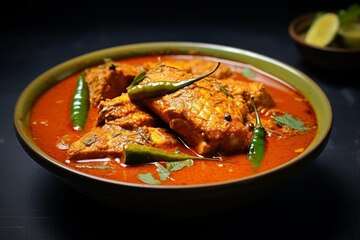
 Bengalis and their love for large fish is a timeless affair. We cannot go long without our beloved macher jhol, and the obvious champion of patla macher jhol (light fish gravy) comes from the carp family. Every other day, Bengali households prepare big carp fish—whether Rui, Katla, or Mrigal. Mrigal holds a special place in Bengali hearts as one of our most cherished fish. Like Rui, Mrigal’s flesh is sweet and tender. It is as delightful to eat as it is easy to cultivate. Available in markets year-round, Mrigal fish has a distinctly faded skin color compared to other carp varieties, earning it the nickname “White Carp.”
Introduction to Mrigal Carp
The Mrigal fish is a freshwater carp species found in the South-Asian rivers, particularly in Bangladesh and India. What makes mrigal special is its ability to reproduce and grow fast. As one of the fastest-growing carp species, it is exceptionally well-suited for commercial pond farming. It plays a very crucial role in Bangladesh’s aquaculture industry as part of the traditional fish farming system alongside roho labeo (rui) and catla (katla). White carp’s wild population is now vulnerable and mainly found in India’s Cauvery River. Mrigal, however, thrives in fish farms across South Asia. Bangladesh has become one of the world’s largest producers of mirgal fish. We now contribute significantly to the global production of this prized fish. The only challenge for farmers is that Mrigal needs special breeding techniques since it won’t reproduce naturally in ponds.
Physical Characteristics of Mrigal or White Carp
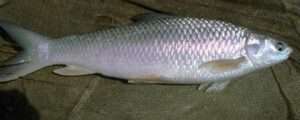 Mrigal has a sleek, long body that can grow up to 1 meter in length. They usually weigh between 8-12 kg. These beautiful fish have gray backs with shimmering silver sides. During breeding season, their fins develop attractive orange tips. They have a single pair of short whiskers near their mouth. Mrigal are bottom dwellers that feed on small insects, organic matter, and decomposed materials from the riverbed or pond bottom. This feeding habit makes them perfect for aquaculture. They feed on the bottom dwellers of the pond to keep it clean. These fish reach maturity in just 2 years. A mature female mrigal can carry up to half a million eggs. In nature, they breed between April and June in the rivers. However, they won’t breed in still pond water, so commercial fish farms must use special hatchery techniques to produce hatchlings artificially.
Nutrients per 100 g of Mirgel fish:
- Calcium: 178 mg (range: 83–324 mg)
- Iron: 1.02 mg (range: 0.51–1.94 mg)
- Protein: 17 g (16–18 g)
- Omega-3 fatty acids: 0.206 g (0.101–0.426 g)
- Selenium: 152 µg (64–361 µg)
- Vitamin A: 11.1 µg (4.8–27.0 µg)
- Zinc: 0.745 mg (0.373–1.266 mg)
Benefits of Eating Mrigal Carp Fish
Supports Heart Health & Reduces Risk: Mrigal carp helps improve heart health and reduces the chances of heart stroke. Fish oil contains omega-3 unsaturated fatty acids. These acids help to reduce harmful cholesterol in the blood and raise beneficial cholesterol. This prevents fat accumulation in heart’s blood vessels and keeps blood circulation healthy.
Strong Bones and Teeth: Mrigal fish contains calcium, which plays an important role in the formation of teeth and bones. Regular consumption of this fish provides sufficient calcium for maintaining bone health and preventing bone and teeth related disorders.
Boosts Immune System: White carp fish contains a large amount of zinc which helps in improving the immune system. This makes your body more capable of fighting various infections, viruses, and bacteria. By consuming zinc regulerly you can easily fight off common illnesses like cold and cough.
Contains Essential Phosphorus: Mrigal carp contains phosphorus which is helpful in improving bones and teeth. Phosphorus works together with calcium to maintain strong skeletal structure and dental health.
Rich in Vitamins and Minerals: Carp fish has many vitamins and minerals. These essential nutrients support overall body function, enzyme production, and hormone development. The also prevent many deficiencies and chronic diseases.
Acts as an Anti-Inflammatory Agent: The omega-3 fatty acids in Mrigal carp can act as anti-inflammatory agents. It helps to reduce inflammation and supports overall wellness.
Ideal for Weight Management: Those looking for a low-calorie fish option can eat Mrigal regularly. It’s a low-calorie fish that offers high nutrition, which is an ideal choice for diet.
Prevents Blood Clotting and Stroke: Studies show that omega-3 prevents blood molecules from clotting. Usually, blood strokes happen because of clots in blood vessels. Consuning a healthy amount of omega-3, thus, can significantly reduces stroke risk and support cardiovascular health.
Helps Control Blood Pressure: Regularly eating mrigal fish can reduce the risk of getting high blood pressure. If you already have high blood pressure, eating this fish can help to decrease it naturally, thanks to its beneficial fatty acid content.
Traditional Mrigal Fish Recipes
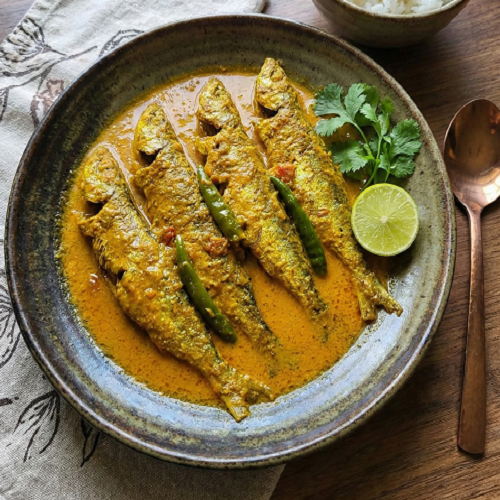
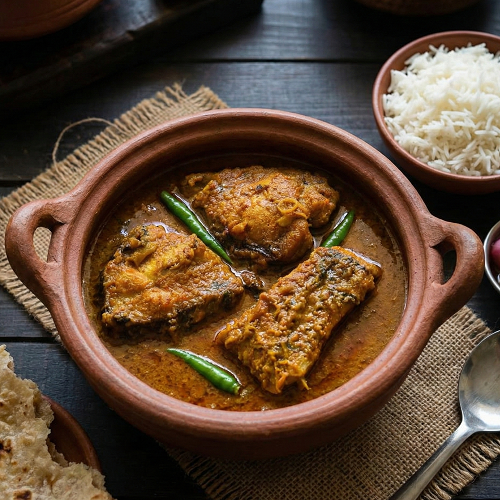
Mrigal Maach Bhuna
 This is a classic Bangladeshi fish curry that showcases the rich flavors of traditional cooking.
- To make mrigal maach bhuna, begin by cleaning 7-8 pieces of mrigal fish with water and salt.
- Then marinate them with salt, turmeric, and chili powder for 10 minutes. Lightly fry the fish in heated oil and put aside.
- Next, brown some sliced onions in the same pan. Add ginger and garlic paste cook for about a minute.
- Then add aromatic spices, including coriander powder, cumin, turmeric, and chili powder, with a splash of water to create a flavorful base.
- Add the fried fish pieces gently back to the pan with warm water. Cover, and simmer on low heat for 3-4 minutes before.
- Now lower the heat and garnish with fresh coriander leaves and green chilies.
- Finally, turn off the heat and sprinkle some toasted cumin powder on top of the gravy and cover the pan to keep the flavor intact.
Mrigal Fish Steak with Beans
 Fish steak with beans is a very special fish preparation that blends traditional bengali spices with western-style cooking techniques. The original recipe used rui or rohu fish but mrigal or any other carp fish is an ideal substitute.
- To prepare this take 1 pound of Mrigal fish fillet cut into 4 pieces.
- Marinate the fish in a spice blend made with cumin powder, coriander powder, red chili powder, salt, pepper, and curry powder, make sure to coat all sides equally.
- Now sear the marinated fish pieces in heated olive oil until they are beautifully brown on both sides.
- When the fish forms a flavorful crust, set them aside.
- In the same pan, cook chopped onions until translucent, then add minced garlic and sautée for a minute.
- Next, add medium-chunked tomatoes and cook until soft. Stir in a can of drained white beans into the spice mixture, and cook for a few minutes.
- After that, arrange the seared fish steaks very carefully on top of this flavorful base.
- Let the entire dish cook on medium heat for 10 minutes.
- When the sauce thickens and clings to both the fish and beans it’s ready. This dish is perfect to enjoy with brown rice, white rice, or as a standalone meal.
Click here for the original recipe
Mirgel Fish-Lemon Leaf Curry
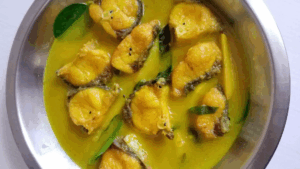 This recipe too was originally made with rui fish, but I am substituting it with Mirgel. It is a really flavourful fish curry that combines tender flesh of mirgel fish, fragrant lemon leaves, and aromatic spices. This curry is a delightful addition to any Bengali meal.
- To prepare this dish, start by heating mustard oil and add kalojeera to it.
- Then, fry the fish coated with a mixture of salt, turmeric, and chilli powder. Put it aside.
- Next, fry the lightly salted potato pieces.
- Add a little mustard oil and mix it with turmeric powder, chili powder, cumin powder, and a small amount of water.
- If the mixture becomes too dry, add some warm water. Finally, add fish, potato, and salt to taste.
- Crush two potatoes and mix them with the curry.
- Add salt to taste.
- When the curry starts boiling, garnish it with a little mustard oil and lemon leaf, and let it simmer for another five minutes.
- Before removing from heat, sprinkle a mixture of coriander-cumin-cinnamon-cumin powder on top.

Follow Us: