
Modhu Pabda: The Honey Fish
 Modhu is the Bengali word for honey. This name is given to the fish likely because of its sweet taste. Modhu Pabda has a buttery flavor and delicate, tender texture that makes it distinctive. The meat is silvery-white and offers a rich, flavorful experience. This combination has made it a beloved fish in Bengali cuisine. Traditional recipes often call for cooking the fish whole to preserve its delicate texture and bring out the full flavor.
I’ve always been fond of eating whole fish. There’s something oddly satisfying about the process. My mother always prepares Modhu Pabda whole, and perhaps that’s why I love it this way. She carefully selects the fish from the vendors, examining them closely before bringing them home. Then she cooks them whole, keeping their natural shape intact. The fish arrives at the table covered in delicious gravy. I find myself anticipating the careful way you have to eat it, working around the bones to reach the sweet, tender meat. That’s probably where my preference comes from – watching my mother treat the fish with such care and learning to appreciate it the same way.
Modhu Pabda, scientifically known as Ompok pabda, is a freshwater fish belonging to the Siluridae family of sheatfishes. This remarkable fish is found in rivers across Afghanistan, Pakistan, India, Bangladesh, and Burma. Modhu Pabda thrives exclusively in pure freshwater environments including rivers, ponds, streams, and paddy fields. It can be successfully farmed alongside carp in various reservoir sizes. It is very popular in West Bengal and Bangladeshi cuisines for its taste and nutritional value.
Identifying Modhu Pabda

The physical characteristics of Modhu Pabda make it relatively easy to identify, even for beginners. This fish typically measures around 6 inches in length, though it can grow up to 11 inches, with females being larger than males of the same age. The most distinctive feature is its completely scaleless body, which gives it a smooth, glabrous appearance. The body is flat and streamlined, with a striking bright silver coloration overall – grayish silver on the upper portion and pure silver on the belly and chest area. As a member of the catfish family, it possesses two pairs of whiskers or barbels around its mouth area.
Nutrient Highlights (per 100 g raw)
Pabda fish offers a well-rounded nutritional profile. It supports bone health, cardiovascular function, muscle development, and overall physical well-being. It is a valuable addition to a balanced diet.
- Protein: 16.2 g
- Total fat: 9.5 g
- Energy: 619 kJ
- Moisture: 73.9 g
- Ash (minerals): 0.9 g
- Iron: 0.46 mg
- Zinc: 0.90 mg
- Calcium: 91 mg
- Iodine: 7.0 μg
- Selenium: 27 μg
- Phosphorus: 150 mg
- Magnesium: 23 mg
- Sodium: 47 mg
- Potassium: 230 mg
- Manganese: 0.073 mg
- Sulphur: 190 mg
- Copper: 0.042 mg
What are the Benefits of Eating Pabda Fish?
Easy Digestion and Low Fat Content: Pabda fish is very easily digestible. It is very suitable for people with sensitive stomachs. The fish does not have excessive fat content. So it is a healthy protein source without excessive calories.
Rich in Essential Fatty Acids: This fish is an excellent source of omega-3 and omega-6 fatty acids. These fatty acids can help to reduce the risk of heart disease. It also supports overall cardiovascular health.
Bone and Teeth Health: Pabda fish contains about 110mg of calcium per 100 grams. It also has a good amount of phosphorus and iodine. All these nutrients play an effective role in the formation and strengthening of teeth and bones. This fish is beneficial for children’s development and for those suffering from osteoporosis.
Anemia Prevention: Pabda fish is rich in iron. This fish is thus, very beneficial for people suffering from anemia. Eating Modhu Pabda fish regularly can help to increase iron levels in the body.
Muscle Building and Repair: Modhu Pabda is beneficial for muscle tissue growth and repair because of its high protin content. It has around 16 grams of protein per 100 g.
Removes Physical Weakness: This fish has high-quality protein, vital minerals, and vitamins. All these work together to support overall body strength and fight physical weakness.
Additional Nutrients: This fish contains vitamin B12, iron, zinc, and vitamin E, along with phosphorus and iodine. It provides a comprehensive range of essential nutrients for optimal health.
Important Consideration: Please note that not all fish affect everyone’s body in the same way. While Pabda fish may be highly beneficial for some people, it could potentially cause problems for others. It’s advisable to consult with a doctor to understand how this fish might affect your individual health condition.
Bengali Recipes With Modhu Pabda Mach
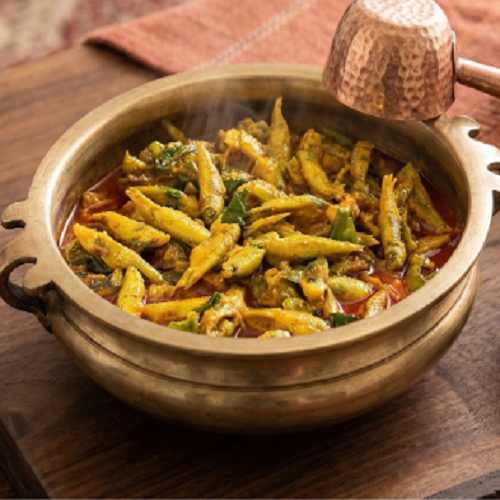
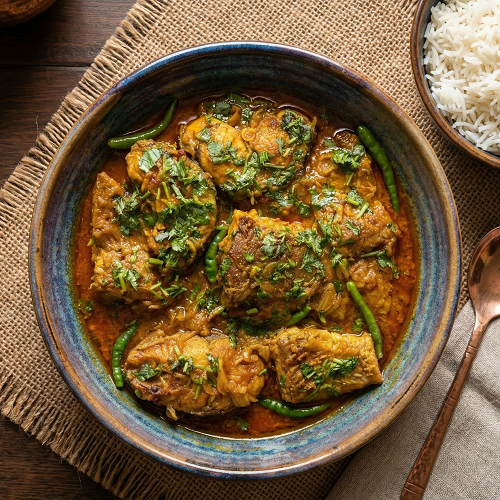
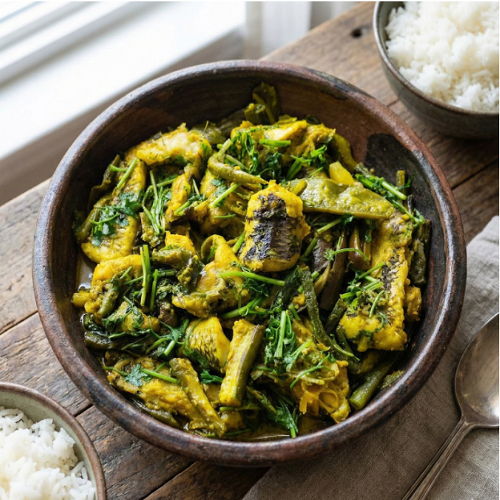
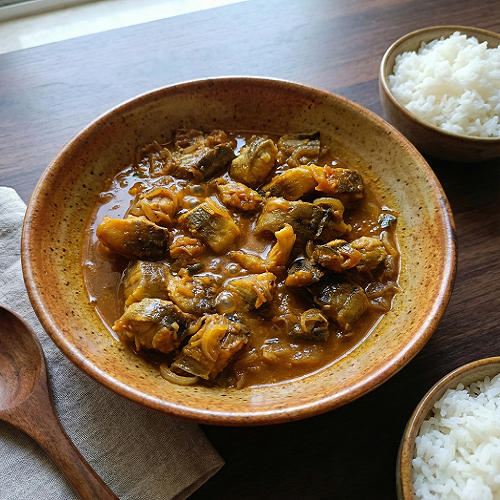
There are many different ways to enjoy Modhu Pabda in Bengali cuisine. Some of the famous ones, I am sharing here:
Gondhoraj Pabda Paturi
 Gondhoraj lebu (kaffir lime), is a beautifully fragrant lime that can make any dish special. So combining Modhu Pabda fish with this lime is just a culinary magic.
- To make Gondhoraj Pabda Paturi, first clean your fish well.
- Then marinate the fish with a paste of soaked mustard seeds, poppy seeds, green chilies, turmeric, salt, mustard oil, and juice and zest of gondhoraj lemon.
- Wrap each fish in a banana leaf, securing it with thread or toothpicks.
- Now cook the parcels on a tawa or skillet over low heat for about 10–12 minutes on each side.
- The banana leaf also infuses the fish with a subtle earthy aroma.
- Serve hot with steamed rice to enjoy the zesty, aromatic flavors.
Doi Pabda
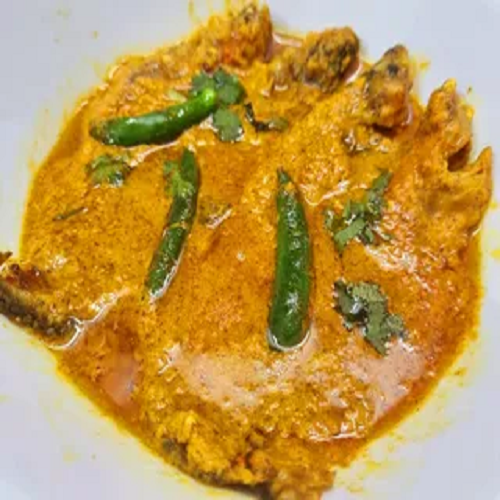
 Doi Pabda is a traditional Bengali yogurt-based curry made with pabda fish. This recipe is suitable for people who prefers to have a thicker gravy.
- To make doi pabda, clean the fish pieces .Now marinate it with turmeric, salt, mustard oil, and flour.
- Make a smooth paste of yogurt.
- Mix coconut and mustard paste to half of yogurt. In the pan add the grated coconut, mustard paste along with yogurt, tomato puree, salt and pinch of sugar.
- After a while add turmeric, red chilli and Kashmiri Red Chilli Powder.
- Cook the whole mix until oil comes up. Add 1 cup warm water and cook for 3-4 minutes till gravy thickens.
- Now add the fried fish and cook simmer for a while.
- Add few slit green chillies and rest of blended yogurt.
- Toss to mix well. Sprinkle 1 tsp mustard oil for garnish.
Pabda Mach Begun
This recipe is usually made using Bacha Mach, but using pabda fish also works well with this . To make Pabda Mach begun start by soaking thinly sliced eggplant in water for 15 minutes. Now marinate small pieces of Pabda Fish with turmeric and salt. Fry the fish well on both sides and set aside. In a separate pan, heat oil and lightly fry ground cumin, turmeric paste, chopped chilies, coriander powder, minced ginger, and garlic until fragrant. Squeeze the eggplant to remove excess water. Next add it along with the fish to the pan and coat everything in the spice mix. Cook until the eggplant is tender. Season with salt and black pepper. Finish with fresh chopped chilies and cilantro for a vibrant touch.
Follow Us: