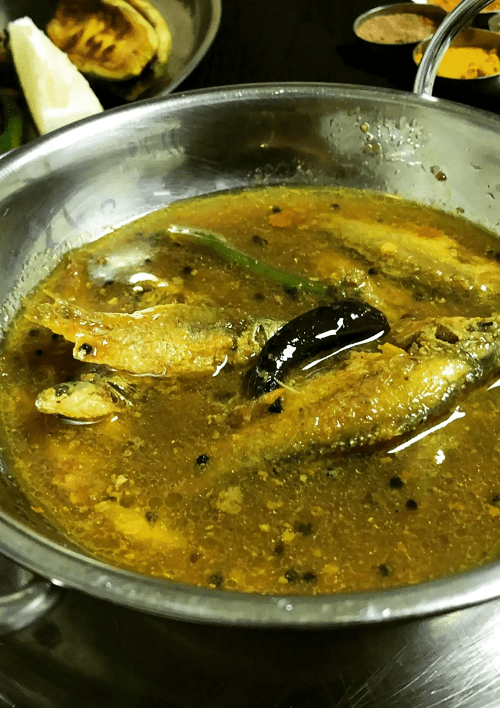
Jat Punti: The Small Fish With Big Flavors
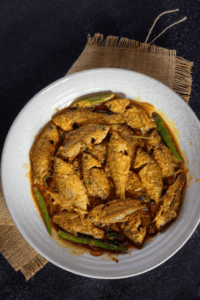
Forgive my ignorance, but I don’t know if any other culture celebrates small fish quite like Bengali cuisine. While we cherish our big fish, our love for the tiny treasures—choto macher chocchori, choto macher bora, choto macher tok, choto macher jhol, and so much more—is just as deep. These little gems are the heart of our everyday cooking, bringing unique flavors that their larger counterparts simply can’t match.
In Bengali cuisine it is quite common to eat the small fish whole, contributing to higher calcium and micronutrient values. My father had lectured me countless times about the benefits of eating small fishes whole, with bones and all. He would always point out the health benefits of eating gura mach or choto mach (small fishes) while I kept struggling with removing the miniscule bones of each tiny little fish because who cares about benefits if I die choking on hard fish bones. There was but one exception to this routine of ours – whenever there would be crunchy fried punti fish on the menu, I would gladly eat it whole and leave no crumbs. This is the only fish that I didn’t mind eating whole because the bones were so soft and crunchy when nicely fried you could hardly tell the difference.
Getting to Know Punti Fish
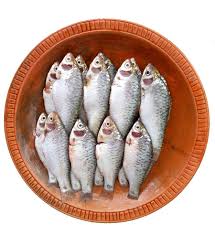
Puti or Jat Punti (Puntius sophore) is a small freshwater fish about 3-4″ long with scales on its body. It has tiny bones alongside the belly and a small pointed head. It has an upper lip but lacks a lower lip and barbels. Its pharyngeal teeth are arranged in two rows, helping with feeding. The dorsal fin is slightly behind the pelvic fins and has strong, bony rays. Its fully developed lateral line runs through 35–37 pored scales, and the caudal fin is forked for fast swimming. It reaches a maximum size of about 100 mm.
These fishes are generally consumed whole along with the head. Bones are chewed and thrown after sucking the juice. These fishes have much more nutritional value than big fishes whether river fish or sea fish. Moreover, it’s said that small indigenous fishes which are consumed whole with head and bones provide a great source of micronutrients and essential fatty acids. This is vital for rapid growth of young children and plays an important role in brain development.
Is Puti Fish Good for Health?
According to studies, Jat Punti contains a staggering 1,711 mg of calcium per 100g and 11.6 mg of iron – which explains why my father was so insistent! Approximates nutrients per 100g of Punti Fish
- Protein: 21.76%
- Fat: 2.4%
- Ash: 2.2%
- Carbohydrates: 1.45%
- Iron (Fe): 11.6 mg
- Calcium (Ca): 1,711 mg
Health Benefits of Regular Puti Fish Consumption
Regular consumption of puti fish offers a variety of health benefits. Despite its small size, it’s packed with protein, vitamin A, B-complex vitamins, and essential minerals, helping combat deficiencies and boost overall energy. Its vitamin E content supports healthy skin, while vitamin C and antioxidants aid respiratory relief by soothing coughs and fevers. Puti fish also provides vitamin D, which improves muscle function and reduces arthritis-related discomfort. Additionally, phosphorus and vitamin D strengthen bones, while its nutrients help maintain good vision and enhance immunity.
For vulnerable groups like pregnant and lactating women, as well as young children, puti fish is particularly beneficial. A daily serving fulfills 38% of the iron needs for lactating women and 31% for infants aged 6–11 months, supporting overall health. In our communities where nutrient deficiencies are common, these small fish are truly miracle workers. Including this small fish in diets can play a crucial role in addressing micronutrient deficiencies.
Different Ways to Enjoy Punti Fish
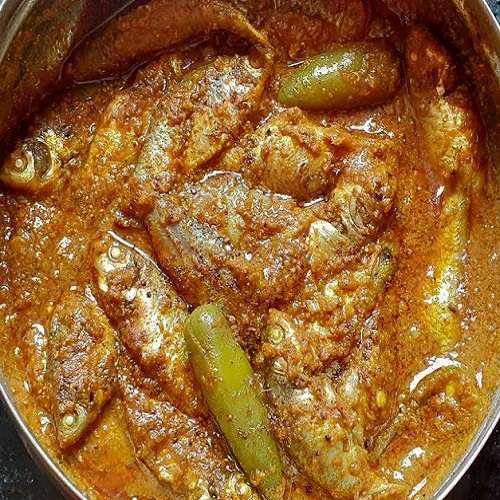
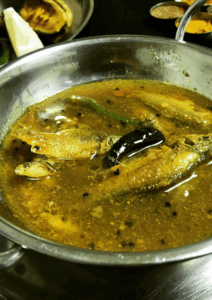
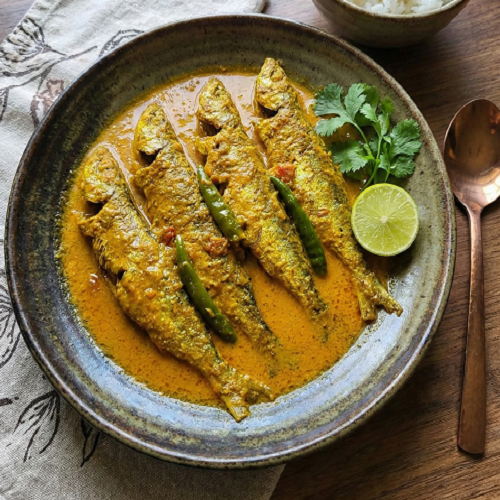
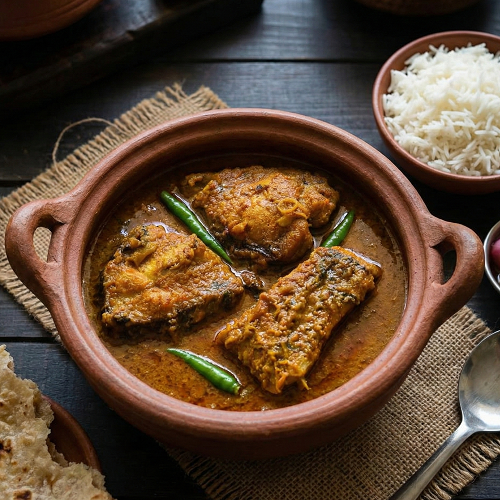
Punti Macher Jhal
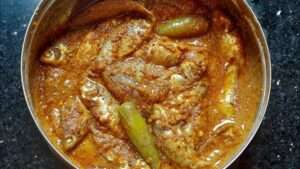
Punti Macher Jhal is my all time favorite recipe of punti mach. But before beginning with the recipe let me first address the essential question, what’s the difference between macher jhol and macher jhal? Macher jhol and macher jhal are the two most commonly prepared variations of Bengali fish curry. They are very similar considering the ingredients and all. However macher jhol is usually light and the gravy is runny. It’s prepared by adding vegetables like potatoes, cauliflower, brinjal, etc. On the other hand, macher jhal is spicy and the consistency of the gravy is thick. Usually, no vegetables are added to the gravy except onion.
- To prepare my favorite variation of punti macher jhaal, start with about 250 grams of cleaned punti fish and marinate them with a half teaspoon of salt and a teaspoon of turmeric for about 10 minutes.
- Meanwhile, heat about 2 tablespoons of mustard oil in a flat-based pan until it reaches smoking point.
- Reduce the flame and carefully arrange the fish in a single layer so they don’t overlap.
- Fry them until crispy and golden brown on both sides, which takes about 4-5 minutes per side.
- Once done, set them aside. In the same pan, add the remaining tablespoon of oil along with half a teaspoon of kalonji (nigella seeds) and one dry red chili.
- When they begin to splutter, add a cup of sliced onions and fry until they become translucent with light browning.
- Next, add your dry spices one by one – half a teaspoon each of cumin powder, coriander powder, red chili powder, and another teaspoon of turmeric.
- Stir-fry this mixture for 2-3 minutes until the moisture dries up and oil appears on the surface.
- Gently add the fried fish back to the pan and stir carefully so the gravy coats the fish well without breaking them.
- Add about half a cup of warm water and check the salt level. Cover with a lid and cook on low flame for 2-3 minutes.
- Then uncover and add a teaspoon of mustard paste thinned with 2 tablespoons of water. Give everything a gentle stir and switch off the heat.
- Finish by adding a couple of slit green chilies and some chopped coriander leaves. The contrast of crunchy fried fish with aromatic spices is absolutely delicious.
Puti Macher Chorchori
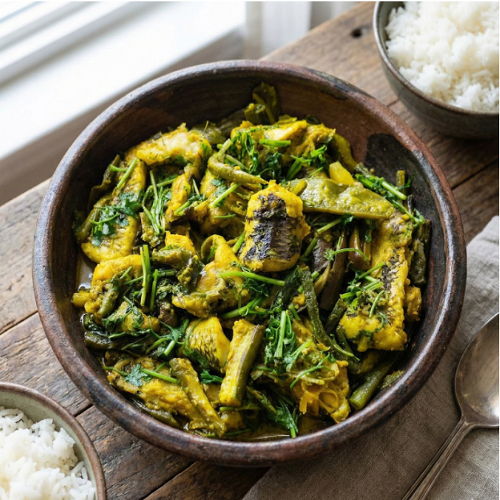
 Puti macher chorchori is another staple in my kitchen. This quick and easy dish combines the small fish with a punchy mustard base. To prepare, mix cleaned Punti fish with thinly sliced onions, a tablespoon of mustard paste, crushed garlic, a couple of slit green chilies, half a teaspoon each of red chili powder and turmeric, a bay leaf, and salt to taste. Add about a quarter cup of water and cook covered on medium heat, occasionally stirring very gently until the moisture evaporates. Finish with a sprinkle of roasted cumin powder (don’ skip this, it really enhances the whole dish) and fresh chopped coriander leaves for extra depth of flavor. The dish should be relatively dry with the fish coated in an intensely flavored spice mix.
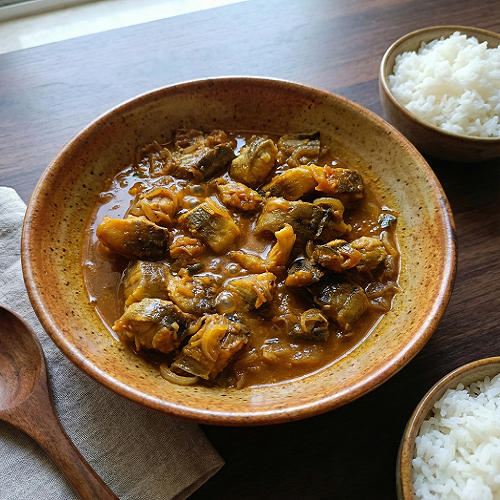
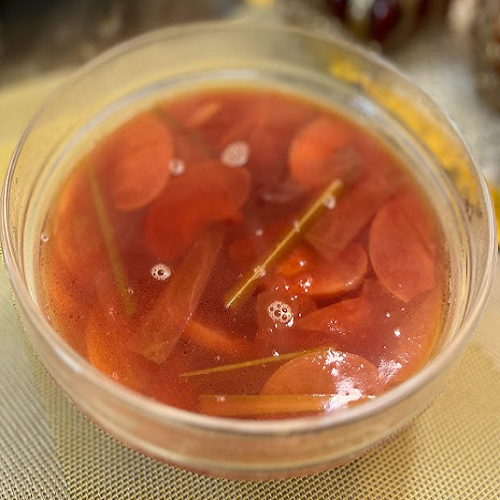
When I’m in the mood for something tangy, nothing beats Punti Macher Tok. This Bengali delicacy features the small river fish in a sour tamarind-based gravy that’s light yet satisfying. This dish is like a breath of fresh air during the hot and humid summer in Bangladesh. To prepare punti macher tok begin by marinating the cleaned fish with salt and turmeric for about 10 minutes, then lightly fry them in mustard oil until golden. In the same pan, temper a teaspoon of mustard seeds and one dry red chili until they splutter. Then add about half a cup of tamarind water (made by soaking about two tablespoons of tamarind in warm water for 15 minutes and straining), a quarter teaspoon of turmeric, salt to taste, and a couple of green chilies. Let the fish simmer in this tangy gravy for about 5 minutes until the sauce reduces slightly. The sourness of the tamarind perfectly balances the richness of the fish, creating a refreshing counterpoint to heavier Bengali dishes.
Punti mach holds a special place in Bengali cuisine, not just for its taste but for the nostalgia it brings. It reminds us of simpler times when food was local and cooked with care. This small fish carries tradition and cherished memories, proving that Bengali cuisine finds joy in even the humblest ingredients.
Quick FAQ
How to Cook Punti Fish?
For retaining the nutritional value it’s important not to overcook the fish. Make sure to cook punti with less spices.
How to Clean Punti Fish?
If you get fresh punti fish then descale and clean the belly and the head. Afterwards dip the fish in water and clean all dirt from the body, the belly and remove the fins. Fins are bitter in taste and usually have river particles. Repeat it for 2-3 times till you get clean white fish. For frozen fish just let it thaw and it’s ready to cook.
Follow Us: