Chanda Fish
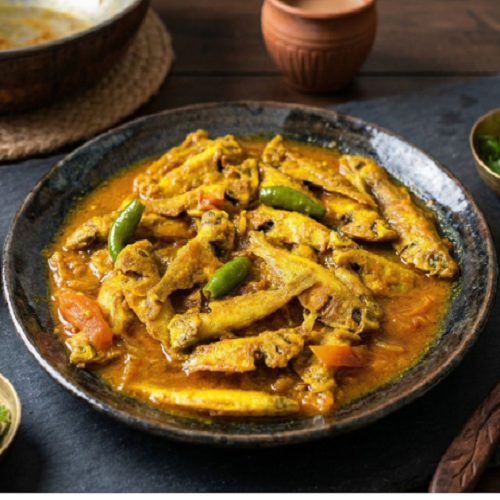
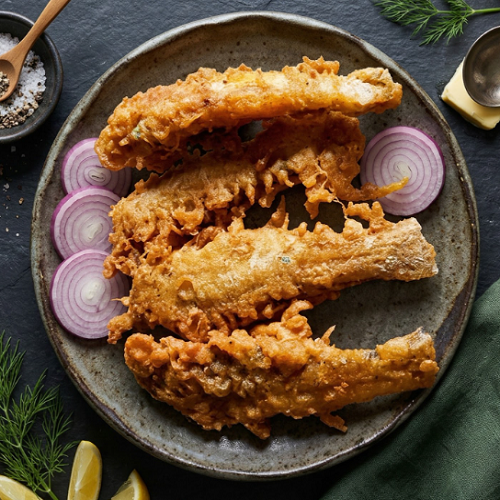
 One of the great things about small indigenous fish in Bangladesh is that they’re not just a main dish, they make for a fantastic snack too. Take Chanda nama, for example. Lightly battered or plain, deep-fried until golden and crispy, they’re the perfect evening bite. They also shine as a side dish alongside a comforting bowl of dal and steaming rice. Squeeze on some lime, and you’ve got yourself a proper Bengali meal.
What is Chanda fish?
The Chanda fish (Chanda nama), also called the Elongate glass-perchlet, is part of the Ambassidae family — commonly known as Asiatic glassfishes. Naturalist Francis Buchanan-Hamilton first described it in 1822, and the name “Chanda” comes from a local Indian term for glassfishes. Found across Pakistan, India, Nepal, Bangladesh, and Myanmar, it’s a well-known food fish throughout South Asia.
Not to be confused with rupchanda or pomfret despite the shared name, these are entirely different fish. Rupchanda refers to the silver pomfret (Pampus argenteus), a larger, flat-bodied saltwater fish commonly found in the Bay of Bengal. Chanda, by contrast, is a small, slender freshwater fish. The only thing they have in common is being beloved staples of Bangladeshi cuisine.
How do you identify Chanda fish?
Chanda fish are round in shape and have a shiny silver color. They can grow up to a maximum length of 11 centimeters. This small size makes them easily recognizable among other freshwater species. The fish is found in standing and running waters, including clear streams, canals, beels, ponds, and inundated paddy fields. They are particularly abundant during the rainy season and inhabit both fresh and brackish water environments.
Nutritional Composition per 100g:
- Moisture: 68.12 ± 0.06%
- Protein: 14.86 ± 0.04%
- Fat: 11.09 ± 0.07%
- Ash: 5.59 ± 0.02%
- Carbohydrate: 0.33 ± 0.04%
- Calcium (Ca): 807 ± 0.02 mg
- Phosphorus (P): 2470 ± 0.02 mg
- Iron (Fe): 3.90 ± 0.02 mg
- Zinc (Zn): 3.18 ± 0.02 mg
- Vitamin A: 378.96 ± 0.03 μg
- Essential amino acid: 8.36 ± 0.05 g
- Palmitic acid: 4.49 ± 0.01 g
- Oleic acid: 1.94 ± 0.03 g
- Stearic acid: 1.43 ± 0.02 g
Health Benefits of Consuming Chanda Fish
Phosphorus: Chanda is one of the richest sources of phosphorus among small fish. It works alongside calcium to build strong bones and teeth, and plays a key role in energy metabolism and cell repair.
Calcium: Eating the chanda fish whole gives you a solid calcium boost, supporting bone and tooth strength. It is especially important for children, pregnant women, and nursing mothers.
Vitamin A: Chanda is a good source of vitamin A. Eating chanda reegulerly supportes vision, immunity, and cell growth. This fish is particularly valuable in communities where deficiency is common.
Essential Amino Acids: Chanda contains notable levels of L-histidine, an amino acid your body can’t produce on its own. This amino acid is essential for growth, tissue repair, and blood cell production.
Iron & Zinc: These two nutrients work together to combat anemia. Iron supports hemoglobin production, while zinc strengthens immune function and aids wound healing.
Bengali Recipes with Chanda Fish
Chanda Fish Fry
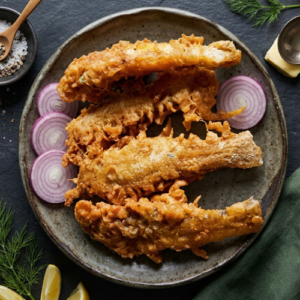 Inspired by the loitta fish fry recipe, this chanda fish fry is made from the small, flavorful chanda fish. The fish is marinated in spices and deep-fried until crispy. It can be enjoyed as a side dish or appetizer, appreciated for its crunchy texture and rich, savory taste.
Ingredients: 1 kg fish, 1/2 tbsp ginger paste, 1/2 tbsp garlic paste, 2g salt, 1/2 tbsp turmeric powder, 1 tbsp chili powder, 3 tbsp cornflour, 1/2 tbsp baking powder, 1/2 tbsp black pepper powder, 1/2 to 1 tbsp soy sauce, 1 tbsp lemon juice, 1 egg, 2 cups flour, oil for frying.
Instructions:
- Wash the fish and drain well. Pat dry with kitchen tissue to remove excess moisture. Keep small fish whole; cut larger ones in half for easier frying.
- Mix all ingredients except the flour and oil. Marinate the fish for one hour.
- After marinating, coat the fish in flour and fry in oil until golden brown.
- Serve with plain rice or pilaf.
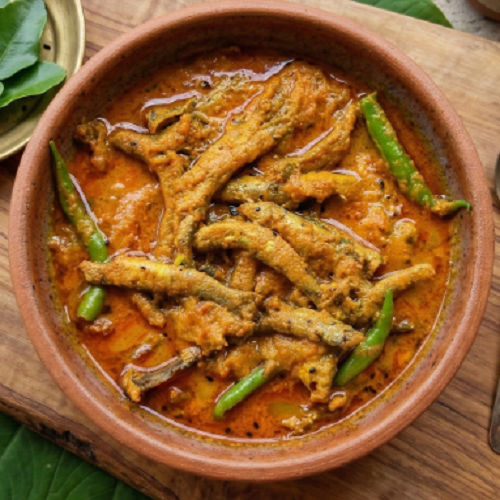
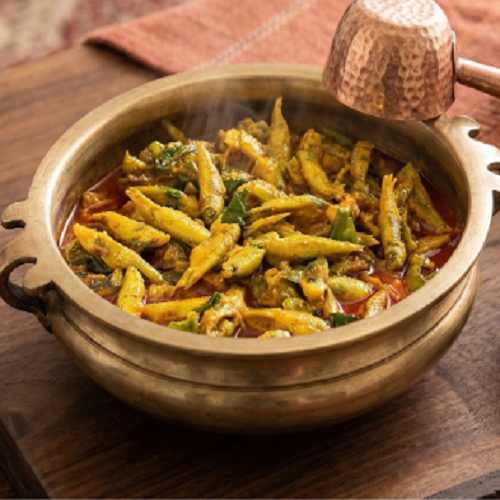
Chanda Macher Jhol (Small Fish Gravy)
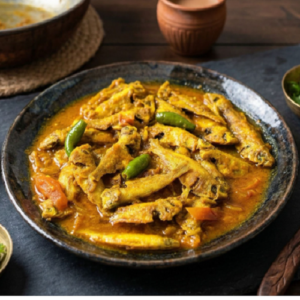
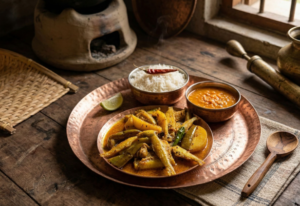 This is a very simple, low-oil recipe that doesn’t require frying the fish separately. It’s quick, easy to prepare, and can be made with any type of small fish (including chanda). It’s a perfect recipe for new cooks or wanabecooks like me You can even make this in a pressure cooker in just 5-6 minutes.
Ingredients: 250g Chanda fish, 1 potato (peeled and cut into very small cubes), 1 tomato (chopped), 1 onion (chopped), 2 garlic cloves, 1/2 tsp grated ginger, 1/2 tsp turmeric powder, 1/2 tsp red chili powder, 1/2 tsp coriander powder, 4 slit green chilies, 4 tbsp chopped coriander leaves, salt to taste, 2 tbsp oil, 2 tbsp lemon juice, 3 cups water.
Instructions:
- Clean and wash the fish and pat dry.
- Grind onion, ginger, garlic, and tomato into a paste.
- Marinate the fish with the paste, 1 tsp salt, turmeric powder, red chili powder, coriander powder, and lemon juice. Keep aside for 10 minutes.
- Put the marinated fish in a pan. Add potato cubes, green chilies, coriander leaves, little salt, oil, and 3 cups of water. Mix well.
- Cover the pan well and place on high heat. Allow it to boil, then reduce the heat.
- Cook on slow flame for 7-8 minutes until the gravy starts thickening.
- Remove pan from heat and give 10 minutes standing time before serving.
FAQs
Is chanda fish good for health?
Chanda fish is genuinely good for you — they are full of protein, healthy fats, and key nutrients like iron, zinc, potassium, Vitamin A, and B12. Since they’re typically eaten whole, you get a solid dose of bone-strengthening minerals in every bite.
What is the scientific name for Chanda fish?
The most common species, Chanda nama, was first described by F. Hamilton in 1822 and belongs to the Ambassidae family — the Asiatic glassfishes.
How big do Chanda fish get?
The elongate glassy perchlet (Chanda nama) grows up to 11 cm (4.3 in) and is most abundant during the rainy season, thriving in flooded environments.
Are Chanda fish saltwater or freshwater?
Chanda fish are primarily freshwater fish, native to the inland waters of Bangladesh and surrounding regions — though they’re hardy enough to survive in brackish water too.
Where is Chanda fish found?
Chanda fish inhabit freshwater across South and Southeast Asia. The name Chanda nama is common in the waterways of India and Bangladesh, while Chanda siamensis is native to the Indochina region and has introduced populations in Singapore and Indonesia.
Is Chanda fish expensive?
Not really. Chanda is one of the more affordable small fish in Bangladesh, widely available in local markets year-round. Its abundance in freshwater rivers and floodplains keeps prices low, making it a budget-friendly staple in everyday Bengali cooking.


Follow Us: