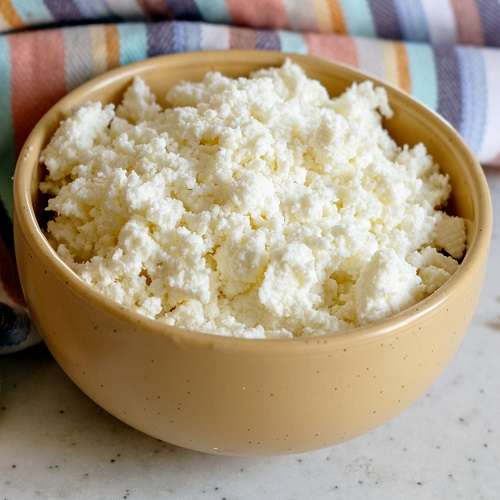
Milk Caseine or Chhena Recipe
If you look at the cuisine of the Indian subcontinent, milk is everywhere. We use milk in our tea, our desserts, even in our curries. And then we make different kinds of beverages from milk as well. But nowhere is milk more important than in our sweets or misti.
Bengali sweets are legendary. `, sandesh, mishti doi, rasamalai – the list goes on and on. And milk is the one common ingredient in all these sweets. Every single one of them relies on milk as a core ingredient one way or another.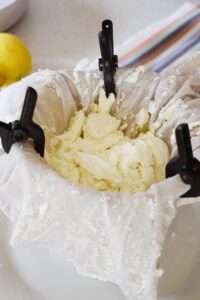
Now we did not just stop at using milk as it is. Milk had too much potential to leave it as it is. So we experimented, we innovated, we transformed milk into completely different forms to create new sweets.
We reduced milk for hours to make kheer. We thickened it to make rabri. We sweetened it and set it to make mishti doi. Of course I simplified the processes by a lot, but you get the idea.
But perhaps the most ingenious transformation of milk is Milk Caseine, or as we call it in Bengali, chhena.
Chhena is essentially fresh cottage cheese made by curdling milk with an acid like lemon juice. The milk separates into curds and whey, and those soft, crumbly curds are what we call chhena.
Unlike paneer which is pressed hard and firm, chhena retains moisture and stays soft and workable. That softness is what makes it perfect for sweets.
For the longest time in India, curdling milk deliberately was considered bad form. Some even say it was taboo. Milk was sacred, and never purposely spoiled.
But somehow, somewhere, people broke that rule. Some historians say it was Portuguese influence when they arrived in India centuries ago. The Portuguese loved their cottage cheese and had no qualms about curdling milk. Others point to the Manasolassa, a 12th century Sanskrit text that mentions a cheese-making process very similar to chhena, well before the Portuguese showed up.
Whatever the origin, I am just glad someone had the courage to curdle that milk! Because without chhena, we would not have rasogolla. We would not have sandesh.
In Bangla, we have this saying – “dudh chhana hoye jabe” – which literally means “the milk has spoiled.” For most foods, spoiled means ruined, thrown away, wasted. But spoiled milk is the beginning of something delicious.
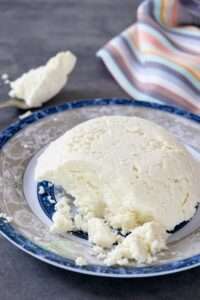
Now chhena by itself is actually quite tasty. I like having chhena whenever the milk has spoiled. Add a little sugar to it, and it becomes even better.
But the real magic happens when you use chhena to make sweets. Knead it properly, and you can shape it into sandesh. Boil little balls of it in sugar syrup, and you have rasogolla.
The beauty of chhena is its versatility. Cow milk makes softer chhena that is perfect for delicate sweets like sandesh and rasogolla. Buffalo milk makes firmer chhena that works better for sweets that need to hold their shape.
Making chhena at home is surprisingly easy. You just need good quality full-fat milk and some lemon juice. That is it. No fancy equipment, no complicated techniques.
The hardest part is waiting for the whey to drain completely. You hang the chhena in cheesecloth for a couple of hours, and you just have to be patient.
Fresh homemade chhena is absolutely worth the effort. It tastes so much better than anything you can buy from the store.
Ingredients
- 2 liters about 9 cups fresh full-fat milk
- ⅓ cup lemon juice or more, as needed
Instructions
- Pour the milk into a large, heavy-bottomed saucepan. Heat it over medium heat, stirring occasionally to prevent scorching. Bring the milk to a gentle boil. Once it starts bubbling, immediately turn off the heat.
- Wait until the temperature of the milk drops to around 80 °C, then slowly add the lemon juice. Wait 1–2 minutes until the milk starts to curdle, stirring occasionally — you’ll see the white curds (milk solids) separating from the greenish whey (liquid). If the milk doesn’t curdle fully, add a bit more lemon juice and stir again.
- Let the mixture sit undisturbed for 5–10 minutes to allow full separation of the curds and whey.
- Line a colander with a large piece of clean cheesecloth or muslin. Carefully pour the curdled milk into the lined colander to separate the curds from the whey. Be cautious — the mixture will still be hot! (NOTE- If you want to reduce the lemony flavor, rinse the curds under cold running water while still in the cheesecloth)
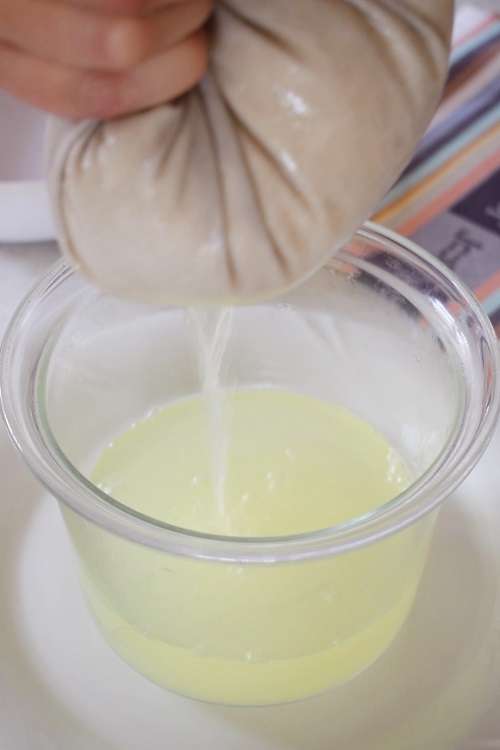
- Gather the edges of the cheesecloth and tie them together to form a bundle. Hang it from a faucet or hook, allowing the liquid to drip out naturally.
- Let it hang for about 2 hours, or until most of the liquid has drained and the chhana is firm but moist.
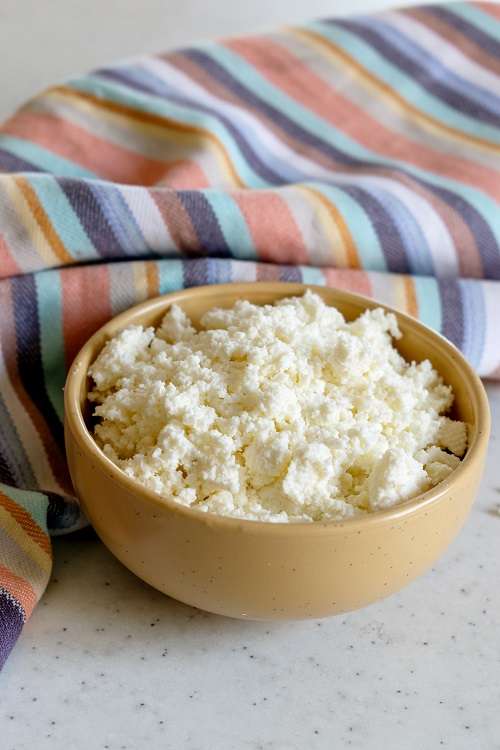
- Once drained, unwrap the chhana. It should be soft and crumbly. You can refrigerate it in an airtight container for up to 2 days.
- Serve chhana warm or chilled, as is, or use it as a base to prepare traditional Bengali sweets.