Kata Phasa Mach: Calling Out to Some Homely Warmth in the Beginning of Wintery
 Autumn is almost gone here in Finland. It’s not fully snowing yet, or maybe it is at night, and I just haven’t seen it. Yesterday, when I went out for a walk, I saw that the fallen colorful and dry leaves on the ground were already starting to freeze. This was even when the day was sunny and the temperature was around 3 to 4 degrees.
Weather like this calls for comfort and warmth. For us Bengalis, that means some warm and hearty food, like fish curry with vegetables. While boro mach or big fishes are good for spicy curries with nice gravy and all, making vegetable curry with fish is just something we prefer to do with choto mach or small fishes.
Today’s blog post is dedicated to one such small fish that goes so well with different kinds of vegetables, kata phasa mach.
Getting to know the Kata Phasa Fish
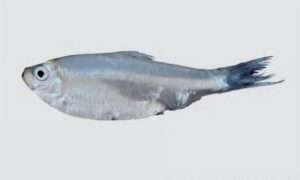
Kata Phasa (Spined Anchovy) is a small fish found mainly in the Sundarbans mangrove area of Bangladesh. It usually lives in coastal waters and river mouths, where salt and fresh water mix. This small fish prefers shallow, muddy places rich in food.
Spined anchovy has an elongated body, narrow, and slightly flat on the sides. Its snout sticks out and is slightly pointed, while its mouth ends in a sharp tip. The fish’s upper jaw (maxilla) is also pointed. Kata Phasa has small dorsal, pelvic, and pectoral fins. Between the pectoral and pelvic fins, there are 6–8 small, needle-like hard plates (scutes). A distinct spine appears on the pelvic scute, between the fin bases. The fish has no barbels. When its scales come off, the body looks pale and cream colored. It has a bright silvery stripe along its sides and two thin rows of tiny dark spots on the back, just behind the dorsal fin.
Importance of Spined Anchovy In the Bangladeshi Context
Native tiny fish species, such as kata phasa, are an important part of Bangladesh’s aquatic ecosystem and local communities and vise versa. The country’s warm, humid, and monsoon climate, together with its numerous rivers, canals, and wetlands, create ideal breeding and growing circumstances for this fish. Theses fishes on the other hand elp maintain the natural balance of water bodies and they provide a significant amount of nutrition to millions of people in Bangladesh.
Vitamin Composition of Kata Phasa (Spined Anchovy)
According to research on the nutrient content of Bangladeshi fish species, Kata Phasa (Spined Anchovy) contains the following vitamins per 100 g of raw edible parts:
- Vitamin B12: 1.3 µg
- Vitamin D3: 3.8 µg
- Vitamin E (α-tocopherol): 0.37 mg
- Folate: 8.6 µg
Health Benefits of Anchovies (Kata Phasa)
Kata Phasa, also known as Spined anchovies, are small but extremely nutritious fish. They contain omega-3 fatty acids, selenium, and high-quality protein, as well as several essential vitamins and minerals. Regular consumption of anchovies can benefit your heart, brain, eyes, thyroid, and overall health.
Heart Health: Anchovies contain omega-3 fatty acids, which help lower bad cholesterol, control blood pressure, and prevent fat buildup in arteries. They also improve blood circulation, potentially lowering the risk of heart attack and stroke.
Thyroid Protection: Selenium in anchovies is good for healthy thyroid hormone function. Regular consumption of this fish can help prevent thyroid imbalances and protect against related diseases.
Eye Health: Omega-3s contain DHA and EPA, which are known to improve vision. It can also help to prevent age-related macular degeneration, which causes blurry or distorted sight.
Brain & Memory: Eating spined anchovies can improve your brain function and memory. Their omega-3 fats promote brain cell growth and offer protection against dementia and Alzheimer’s disease.
Strong Immunity and Cancer Prevention: The antioxidants in selenium, as well as the anti-inflammatory effects of omega-3s, may help lower the risk of certain cancers and improve the immune response.
Muscle & Weight Management: Anchovies contain approximately 13 grams of protein per serving, which helps build lean muscles, keep you fuller for longer, and promotes healthy weight control.
Bone Strength: Anchovies contain calcium and vitamin D, which help to keep bones and teeth strong.
Vegetable curry with fish: Recipes to try with Kata Phasa Fish
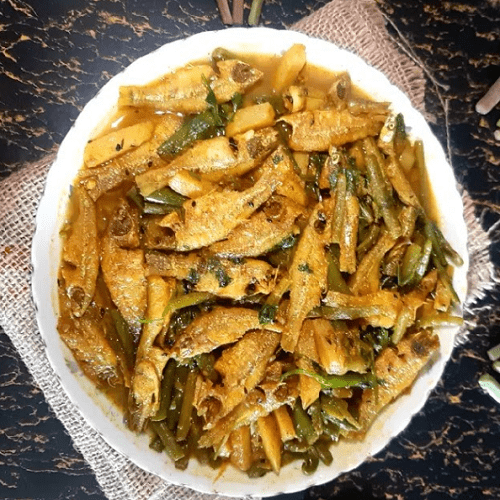
Soined Anchovy Fish with Data Stem (Data diye Kata Phasa)
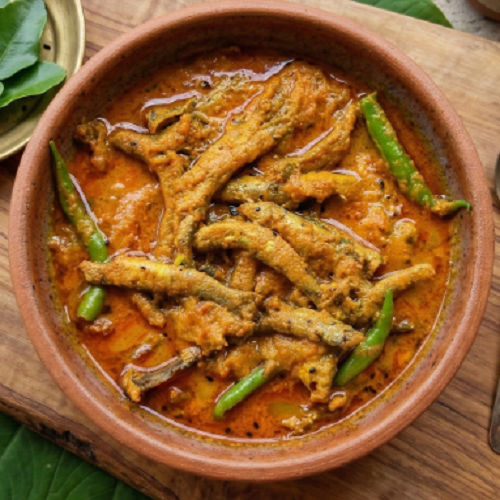
This homestyle Bengali dish brings together kata phasa fish, data stems (amaranth stalks), and potatoes in a light, flavorful curry (you can also use mola fish).
- To make this dish, start by cleaning the fish. Then marinate it with salt and turmeric.
- Fry them until golden, then set aside.
- In the same pan, add black cumin seeds, bay leaf, and green chilies, and temper.
- Next, add chopped onions, potatoes, and data pieces, sautée with turmeric, chili, cumin powder, and salt.
- After the spice is cooked and the oil cools down, add some warm water and the fried fish.
- Simmer until the flavors blend. Finally, top with fresh coriander leaves for aroma.
- This simple yet healthy and comforting curry pairs perfectly with warm steamed rice and is a comforting favorite in many Bangladeshi homes.
Spined Anchovy Fish with Sponge Gourd (Dhundul diye Kata Phasa)
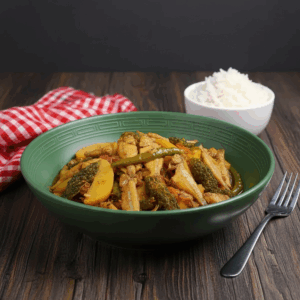 This traditional Bengali village-style recipe pairs anchovy fish with sponge gourd (dhundul), resulting in a dish that’s light on the stomach yet full of flavor.
- To make this traditional Bengali village-style dish, start by cleaning the anchovy fish thoroughly.
- Marinate them with salt and turmeric, then set aside for about 10–15 minutes.
- Next, heat some oil in a pan and lightly fry the fish until golden.
- Remove them from the pan and keep aside.
- In the same oil, add sliced onions and green chilies, and sauté until the onions turn golden and fragrant.
- Stir in a little ginger-garlic paste and fry for another minute.
- Now add thinly sliced potatoes and pieces of sponge gourd (dhundul), mixing well so they’re coated in the spices.
- Cook for a few minutes, then add the fried fish back to the pan along with a small amount of water to make a light gravy.
- Cover and let it simmer until the vegetables are soft and the flavors come together beautifully.
- Finally, sprinkle some fresh coriander leaves on top and enjoy.
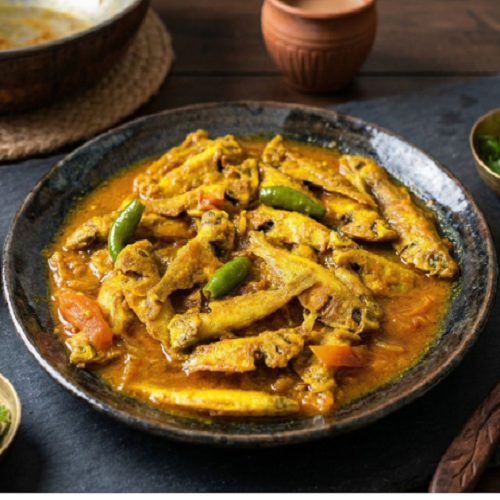
Spined Anchovy Fish Stir-Fry with Hog Plum Buds (Amrar Mukul diye Kata Phasa Machher Chorchori)
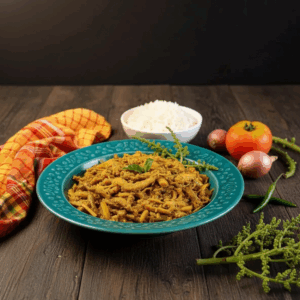 To make this tangy and flavorful Bengali dish-
- Start by cleaning the anchovy fish thoroughly.
- Marinate them with turmeric and salt, then set aside for about 10–15 minutes.
- Heat some oil in a pan and lightly fry the fish until golden.
- Remove and keep aside. In the same oil, add a pinch of black cumin seeds and let them splutter.
- Then add chopped onions, potato pieces, tomato chunks, and onion stalks.
- Sauté everything with a bit of turmeric, cumin, chili powder, and salt until the vegetables start to soften.
- Next, add the chopped young hog plum buds (amrar mukul) for their distinct sour flavor and stir well.
- Finally, return the fried anchovy fish to the pan, mix gently, and cook until the fish absorbs the tangy, spicy gravy and all the flavors blend beautifully.
- Garnish with fresh coriander leaves and serve hot with plain rice — a perfect balance of spicy, sour, and homely comfort.
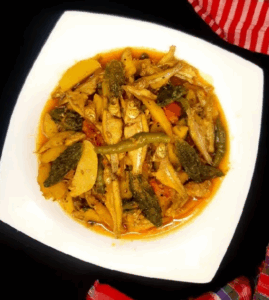
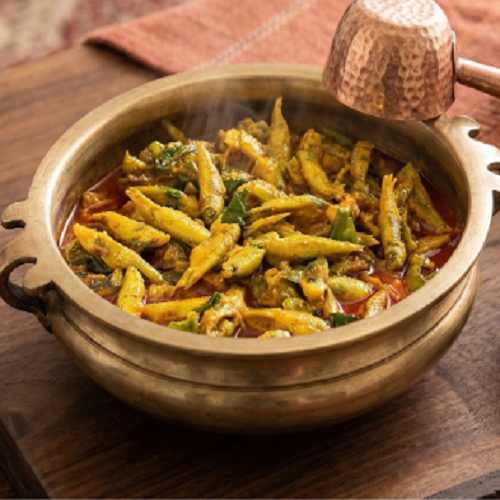
Bitter Gourd and Potato Curry with Mola Fish
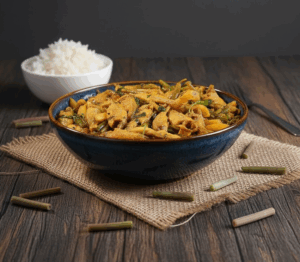 To make this traditional Bengali-style spicy curry-
- Start by cleaning the anchovy fish and marinating them with turmeric and salt.
- Heat oil in a pan and add black cumin seeds (kalojire) for tempering.
- Next, add potato and bitter gourd (uchche) pieces, stirring well.
- Mix in turmeric, salt, cumin powder, chili powder, green chilies, and chopped tomato.
- When the vegetables begin to soften, add the marinated anchovy fish and cook until the spices release oil.
- Pour in a little water, let it come to a gentle boil, and simmer until everything is well cooked.
- Finish with a sprinkle of fresh coriander leaves.
- The result is a flavorful, slightly bitter, and spicy curry that tastes best with plain rice.




Follow Us: